
A 2026 Guide to Willamette Valley Wine Tasting
Willamette Valley wine tasting is less about rushing between tasting rooms and more about understanding place through wine. Guests can expect guided tastings centered on Pinot Noir and Chardonnay, thoughtful hospitality, vineyard-driven storytelling, and a slower pace shaped by Oregon’s landscape, climate, and craftsmanship.
The Willamette Valley has become one of the most respected wine regions in the United States for cool-climate Pinot Noir. Yet the experience of tasting here feels notably different from many larger wine destinations. Hospitality tends to be quieter, more personal, and more connected to the vineyards themselves.
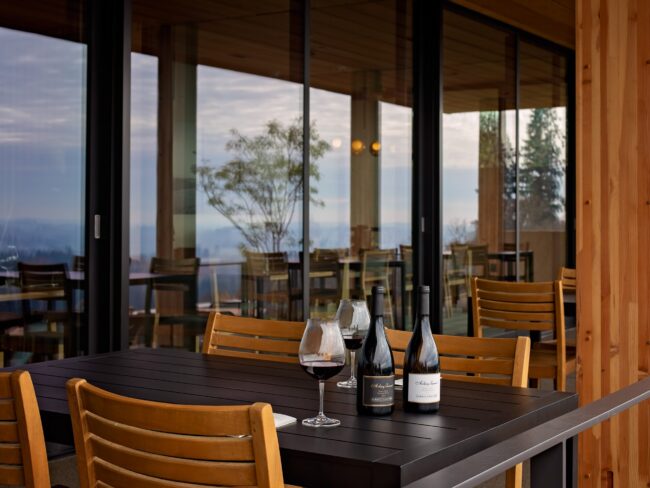
In the Dundee Hills, where Archery Summit has farmed estate vineyards since 1993, wine tasting becomes a study of volcanic soils, elevation, patience, and precision. The goal is not simply to taste wine. It is to understand why a wine tastes the way it does — and how site, season, farming, and cellar decisions shape every glass.
Why Is Willamette Valley Known for Pinot Noir?
The Willamette Valley’s reputation was built on Pinot Noir. The region’s cool climate, long growing season, and diverse soils allow the grape to develop slowly while preserving acidity and aromatic complexity.
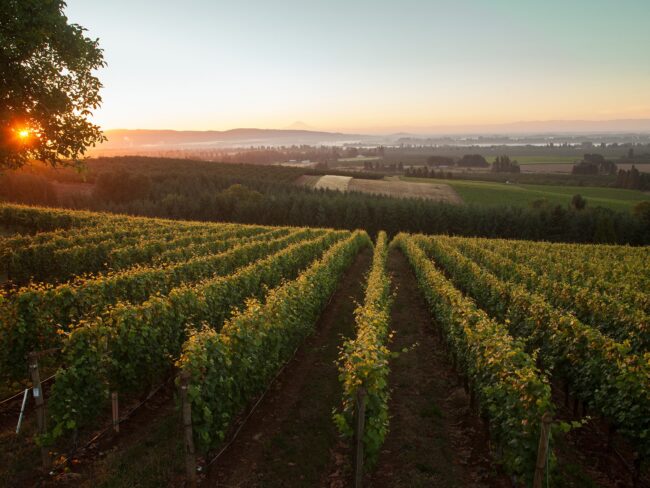
Stretching roughly 100 miles between Portland and Eugene, the valley contains multiple nested appellations, each with distinct geological and climatic characteristics. In the Dundee Hills, iron-rich Jory soils and volcanic slopes contribute to Pinot Noir that often shows lifted red fruit, fine structure, freshness, and layered earth-driven complexity.
While Pinot Noir remains central to the region’s identity, Chardonnay has also become increasingly important across the Willamette Valley. Many producers now focus on cool-climate Chardonnay styles defined by tension, mineral character, and precision rather than overt richness.
At Archery Summit, both Pinot Noir and Chardonnay are shaped through estate farming, gravity-flow winemaking, and a deep focus on vineyard specificity rooted in Dundee Hills terroir.
Understanding Willamette Valley’s Sub-AVAs
The Willamette Valley is not a single uniform wine region. Within the broader valley are 11 nested appellations, or American Viticultural Areas (AVAs), each shaped by different soils, elevations, climates, and growing conditions.
For visitors, understanding these sub-AVAs helps explain why Pinot Noir can taste remarkably different from one tasting experience to the next. The regions below are not an exhaustive list, but they offer a useful starting point for understanding several of the valley’s most visited and historically significant Pinot Noir areas.
Dundee Hills AVA
Dundee Hills is one of the Willamette Valley’s most historically important and recognizable Pinot Noir regions.
Defined by iron-rich red Jory volcanic soils and gently rolling hillsides, the AVA is known for producing Pinot Noir with lifted aromatics, red fruit character, fine structure, and layered earth-driven complexity. The region’s elevation and volcanic soils create wines with both elegance and precision.
Archery Summit’s estate vineyards are rooted in the Dundee Hills, where volcanic soils and site-driven farming remain central to the winery’s identity.
Eola-Amity Hills AVA
Located west of Salem, Eola-Amity Hills is heavily influenced by cooling marine winds moving inland through the Van Duzer Corridor.
These cooler conditions often produce Pinot Noir and Chardonnay with brighter acidity, darker spice notes, firmer structure, and pronounced freshness. The AVA is especially respected for wines with energy and aging potential.
Yamhill-Carlton AVA
Known for marine sedimentary soils and slightly warmer growing conditions, Yamhill-Carlton often produces Pinot Noir with darker fruit profiles, broader texture, and savory depth.
The region’s forested hills and rural roads create a quieter, more secluded tasting atmosphere.
Chehalem Mountains AVA
One of the Willamette Valley’s largest and most geologically diverse AVAs, Chehalem Mountains contains volcanic, marine sedimentary, and loess soils across varying elevations.
This diversity creates a broad range of Pinot Noir and Chardonnay styles, often balancing freshness with layered structure.
Ribbon Ridge AVA
Ribbon Ridge is one of the valley’s smallest AVAs and is known for highly site-specific Pinot Noir grown on marine sedimentary soils.
Many wines from the region show delicate aromatics, refined tannins, and detailed texture, making the AVA especially compelling for collectors and vineyard-focused tastings.
Quick Reference: Selected Willamette Valley Sub-AVAs
Why Does Dundee Hills Matter for Pinot Noir?
Among the Willamette Valley’s sub-AVAs, Dundee Hills remains one of the most historically important for Pinot Noir.
The region is defined by ancient volcanic soils known as Jory — deep red earth rich in iron and known for excellent drainage and heat retention. These conditions help produce wines with vibrancy, structure, aromatic lift, and clarity of site expression.
The hills themselves create varying elevations, exposures, and microclimates that influence ripening and texture across vineyards. For visitors, tasting wines within the Dundee Hills offers a more focused understanding of how geography shapes Oregon Pinot Noir.
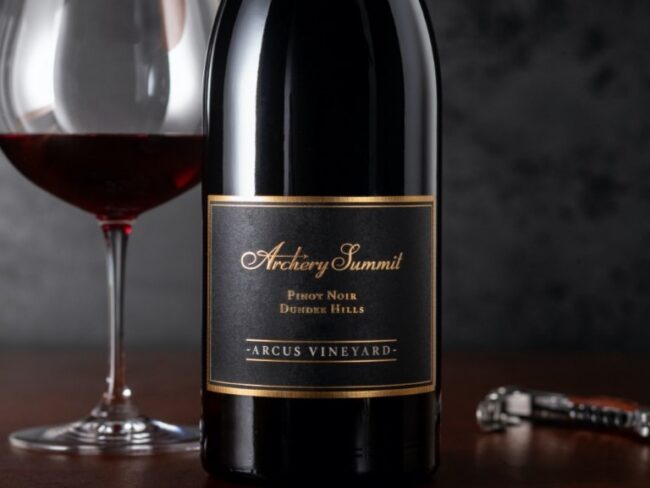
This sense of place becomes especially meaningful when tasting single-vineyard wines side by side. Rather than tasting a generalized regional blend, guests begin to notice how elevation, slope, volcanic soil, and farming choices create distinct personalities within the same appellation.
What Happens During a Willamette Valley Wine Tasting?
Most Willamette Valley tastings are guided, seated experiences designed to move at a measured pace.
A typical tasting often includes:
- A hosted introduction to the winery and vineyards
- A flight of Pinot Noir and Chardonnay wines
- Discussion of vintage conditions and vineyard sites
- Information about terroir, farming, and winemaking
- Opportunities to compare appellation and single-vineyard wines
- Time for conversation and questions
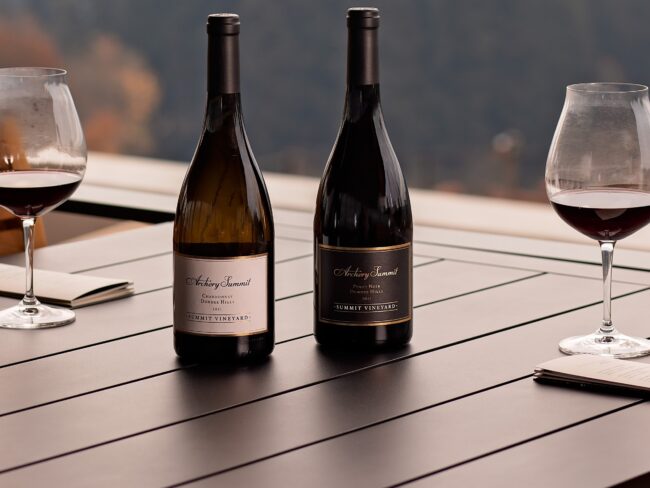
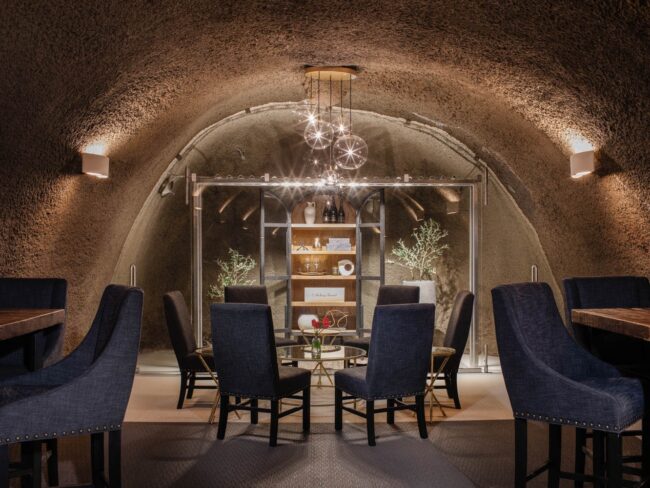
Depending on the winery, experiences may take place in a tasting salon, on an estate terrace, within a production facility, or inside underground barrel caves.
At Archery Summit, hospitality is intentionally guided rather than transactional. Tastings are designed to connect guests to the Dundee Hills through wine, architecture, cellar spaces, and vineyard storytelling. The experience reflects the belief that great wine tasting is not rushed; it is shaped through patience, observation, and attention to detail.
Do You Need Reservations in Willamette Valley?
For the best experience, yes — reservations are strongly recommended at most Willamette Valley wineries, particularly for seated tastings, estate experiences, cave tastings, weekends, and harvest season.
Unlike larger tourism-driven regions built primarily around walk-in traffic, many Oregon wineries focus on smaller appointment-based experiences that allow for more personalized hosting and controlled pacing throughout the day. Some wineries may welcome walk-ins as availability allows, but advance planning helps create a more seamless visit.
Booking ahead also helps guests:
- Build a realistic tasting itinerary
- Allow adequate travel time between wineries
- Access limited-production experiences
- Secure seating during weekends and harvest season
- Experience more in-depth educational tastings
For guests planning a Dundee Hills visit, reservation-based hospitality often results in a more focused and relaxed experience overall.
How Long Does a Wine Tasting Usually Take?
Most Willamette Valley tastings last between 60 and 90 minutes.
More immersive experiences — particularly cave tours, vineyard walks, or collector-focused tastings — may extend longer. Oregon wine culture generally favors slower pacing and deeper engagement over rapid tasting-room turnover.
Guests should also account for:
- Travel time between wineries
- Rural roads and elevation changes
- Seasonal weather conditions
- Time for lunch or breaks between tastings
A thoughtful tasting schedule often leads to a more rewarding experience than attempting to maximize the number of stops.
How Many Wineries Should You Visit in One Day?
For most visitors, two to four wineries is an ideal pace for a single day in the Willamette Valley.
Estate tastings tend to be more immersive than quick bar pours. Many include seated hospitality, educational conversation, and multiple wine flights. Attempting too many appointments in one day can make the experience feel compressed rather than intentional.
A balanced itinerary often includes:
- One in-depth estate tasting
- One vineyard-focused or cave experience
- A lunch stop within Dundee Hills or nearby wine country towns
- Time to enjoy the landscape between appointments
The strongest visits tend to prioritize quality of experience over quantity of wineries.
Practical Tips for Willamette Valley Wine Tasting
A well-planned tasting day in the Willamette Valley often feels more relaxed — and more rewarding — than an overly ambitious itinerary.
A few considerations can make the experience significantly smoother.
Build Around Geography
The valley covers a large area, and winding rural roads can add more travel time than visitors expect. Planning tastings within a focused region such as Dundee Hills, Eola-Amity Hills, or Yamhill-Carlton allows for a more comfortable pace.
Leave Time Between Appointments
Most estate tastings last at least an hour, and many extend longer when conversations naturally evolve around vineyard sites, vintages, and winemaking.
Allowing additional time between reservations creates space to enjoy the landscape rather than rushing through it.
Prioritize Depth Over Quantity
Two or three thoughtful estate visits often provide a more memorable experience than attempting six or seven quick stops.
The strongest Willamette Valley tastings are immersive by design — intended to slow the pace and deepen understanding of the wines and the region itself.
Pair Tastings with the Season
In spring, build the day around new vineyard growth, quieter tasting rooms, and Oregon Wine Month events. Summer favors terrace appointments, vineyard views, and golden-hour experiences, while harvest brings a more kinetic energy to the valley as fruit moves from vineyard to cellar.
Winter offers a different kind of luxury: slower pacing, cave tastings, and more intimate conversations with hospitality teams. No two visits to Oregon wine country feel exactly alike, and that seasonal variation is part of the region’s character.
Plan Ahead for Weekends and Harvest Season
Reservations become especially important during summer weekends and fall harvest months, when many wineries operate at full capacity.
Booking in advance also improves access to cave tastings, private experiences, and limited-production wine selections.
Consider Transportation
Because winery roads are rural and spread throughout the valley, many visitors choose a driver or guided transportation service for the day. This allows guests to focus more fully on the tasting experience itself.
What Makes Cave and Estate Tastings Different?
Estate and cave tastings create a stronger connection between the wine and the environment in which it was produced.
Traditional tasting rooms often focus primarily on wine service. Estate experiences, by contrast, place guests within the broader rhythm of the winery itself — vineyards, cellar spaces, architecture, barrel aging, and production philosophy.
At Archery Summit, underground barrel caves carved into the volcanic hillside create a quieter and more immersive atmosphere for tasting. Select guided experiences include access to the winery’s underground barrel caves, allowing guests to encounter the precision, patience, and cellar work behind the wines.
Guests may encounter:
- Barrel-aging rooms
- Working cellar spaces
- Guided discussions around vintage and vineyard variation
- Single-vineyard Pinot Noir comparisons
- Estate Chardonnay selections
- Architectural elements integrated into the hillside winery
The experience becomes not simply a tasting, but a deeper study of place and process.
What Should You Wear to a Wine Tasting in Oregon?
Willamette Valley wine country tends to favor refined but practical attire.
Most wineries embrace a relaxed sense of elegance rather than formal dress codes. Guests often wear:
- Layered clothing suited to changing weather
- Comfortable shoes for gravel paths or vineyard terrain
- Jackets or sweaters for cooler mornings and cave environments
- Smart casual attire appropriate for seated hospitality
Oregon weather can shift quickly throughout the day, particularly during spring and fall. During harvest season, mornings may feel cool while afternoons become significantly warmer.
Because many tastings include outdoor terraces, cellar tours, or vineyard viewpoints, comfort and adaptability are generally more useful than highly formal attire.
Notable Wine Tasting Experiences in Willamette Valley
The Willamette Valley is home to a wide range of tasting styles, from intimate estate appointments to expansive vineyard hospitality experiences. Several producers have helped define the region’s reputation for Pinot Noir, Chardonnay, and estate-driven hospitality. For travelers building a focused itinerary, the following wineries offer useful reference points across Dundee Hills, Eola-Amity Hills, Ribbon Ridge, and the broader valley.
Archery Summit | Dundee Hills
Archery Summit offers one of the valley’s most immersive estate experiences, centered around guided hospitality, underground barrel caves, and single-vineyard Pinot Noir rooted in Dundee Hills terroir.
The gravity-flow winery and underground cellar spaces create a tasting environment shaped by precision, patience, and craftsmanship rather than pace or volume. Guests experience Pinot Noir and Chardonnay through the lens of vineyard site, volcanic soils, and cellar aging.
Domaine Serene | Dundee Hills
Known for hilltop estate views and an expansive hospitality approach, Domaine Serene helped establish luxury wine tourism within the Dundee Hills and broader Willamette Valley.
Domaine Drouhin Oregon | Dundee Hills
Founded by the Drouhin family of Burgundy, Domaine Drouhin Oregon is recognized for elegant Pinot Noir, Chardonnay, and architectural estate hospitality overlooking the valley.
Sokol Blosser Winery | Dundee Hills
One of Oregon’s pioneering family-owned wineries, Sokol Blosser is known for sustainable farming, modern hospitality spaces, and approachable educational tastings.
Stoller Family Estate | Dundee Hills
Stoller Family Estate combines expansive vineyard views with a broad hospitality program that appeals to both first-time visitors and longtime Oregon wine travelers.
Cristom Vineyards | Eola-Amity Hills
Cristom is especially respected for vineyard-focused Pinot Noir and Chardonnay, with a strong emphasis on stewardship, site expression, and farming in the Eola-Amity Hills.
Bergström Wines | Dundee Hills / Willamette Valley
Bergström has become known for highly terroir-focused Pinot Noir and Chardonnay produced from organically and biodynamically farmed estate vineyards across the valley.
Beaux Frères | Ribbon Ridge
Beaux Frères remains one of Oregon’s most collector-focused Pinot Noir producers, recognized for small-production wines and a deeply site-driven philosophy.
Why Choose an Estate-Driven Dundee Hills Experience?
The Willamette Valley offers a wide range of tasting styles, from more casual tasting-room formats to highly site-focused estate experiences.
For travelers seeking a more elevated understanding of Oregon wine, estate-driven hospitality often provides:
- Greater connection to vineyard source material
- Guided educational context
- Access to more focused, site-specific expressions
- Architectural and cellar experiences
- More intentional pacing and personalized hosting
- Deeper exploration of terroir and vintage variation
Archery Summit’s estate in the Dundee Hills was built around this philosophy from the beginning. The winery’s gravity-flow design, underground caves, and single-vineyard focus reflect a long-standing commitment to precision and site expression.
Rather than presenting wine tasting as entertainment alone, the experience invites guests into a deeper encounter with Oregon Pinot Noir and Chardonnay through the lens of place.
Why Archery Summit Belongs on a 2026 Willamette Valley Itinerary
For visitors seeking a deeper understanding of Dundee Hills Pinot Noir, Archery Summit offers a distinctly estate-driven perspective on the Willamette Valley.
Located in Dayton, Oregon, Archery Summit farms five estate vineyards in the Dundee Hills appellation, while enduring grower relationships throughout the Willamette Valley add further perspective on Oregon Pinot Noir and Chardonnay. Guided tastings may include single-vineyard Pinot Noir, cool-climate Chardonnay, and, through select experiences, access to the winery’s underground barrel caves.
The experience is shaped by restraint, precision, and hospitality grounded in expertise rather than performance. Guests move through cellar spaces designed around gravity-flow winemaking, vineyard expression, and the long arc of aging and craftsmanship.
For travelers planning a 2026 Oregon wine itinerary, Dundee Hills remains one of the valley’s defining destinations for Pinot Noir — and Archery Summit offers one of its most immersive estate experiences.
Experience the estate, or begin planning your Dundee Hills visit.
Frequently Asked Questions
What is the best time of year for Willamette Valley wine tasting?
Spring through harvest season offers excellent conditions for visiting. Summer and early fall provide vineyard views, warmer weather, and longer days, while winter tastings often feel quieter and more intimate.
Are Willamette Valley wineries close together?
Some wineries are clustered within Dundee Hills and neighboring AVAs, but travel times between appointments can still range from 10 to 30 minutes depending on the route.
Is Willamette Valley only known for Pinot Noir?
Pinot Noir remains the region’s signature grape, but Chardonnay has become increasingly important, especially among estate-focused producers.
Are cave tastings colder than regular tasting rooms?
Yes. Underground caves naturally maintain cooler temperatures year-round, so bringing an additional layer is often helpful.
Can beginners enjoy estate wine tastings?
Absolutely. Guided tastings are designed to be approachable for both collectors and first-time visitors interested in learning more about Oregon wine.
How far is Dundee Hills from Portland?
Dundee Hills is approximately one hour southwest of Portland, depending on traffic and weather conditions.
What makes estate-grown wine different?
Estate-grown wines are produced from vineyards owned or farmed directly by the winery, allowing greater control over farming practices, fruit quality, and vineyard expression.