
Oregon Pinot Noir vs. California Pinot Noir: What’s the Difference?
Oregon Pinot Noir is typically associated with bright acidity, red fruit flavors, floral aromatics, and a more site-driven style.
California Pinot Noir often displays riper fruit, softer acidity, fuller texture, and broader richness.
While stylistic exceptions exist throughout both states, Oregon’s cooler climate and longer growing season generally produce wines with greater freshness and precision, while many California regions produce wines with more fruit concentration and broader texture.
Both regions produce world-class Pinot Noir, but they offer distinct expressions of place shaped by climate, soil, and growing conditions.
What Is the Difference Between Oregon Pinot Noir and California Pinot Noir?
While stylistic exceptions exist throughout both states, Oregon Pinot Noir is often associated with fresh red fruit flavors, vibrant acidity, floral aromatics, and a more restrained expression of site. California Pinot Noir frequently displays darker fruit character, broader texture, and softer acidity, reflecting the influence of generally warmer growing conditions across many of its growing regions.
Oregon Pinot Noir vs. California Pinot Noir: Quick Comparison
While every producer and vineyard is different, these characteristics represent the broad stylistic tendencies most often associated with each region.
What Makes Pinot Noir So Sensitive to Place?
Few grape varieties communicate terroir as clearly as Pinot Noir.
Its thin skins, delicate structure, and relatively early ripening cycle make it especially responsive to environmental factors such as temperature, soil composition, rainfall, elevation, and sun exposure.
As a result, Pinot Noir grown in Oregon can taste dramatically different from Pinot Noir grown in California—even when produced by equally skilled winemakers.
This ability to reflect place is one of the reasons Pinot Noir remains so compelling to collectors, sommeliers, and curious wine drinkers alike.
Oregon Pinot Noir at a Glance
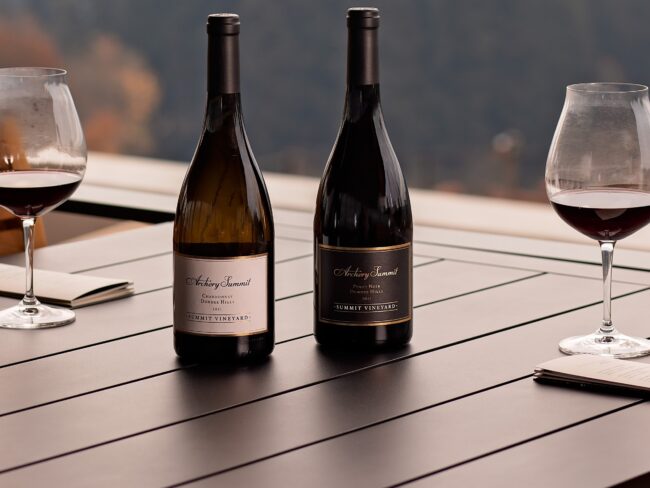
Stretching roughly 100 miles between Portland and Eugene, the Willamette Valley has earned international recognition as America’s premier cool-climate Pinot Noir region. Protected by both the Coast Range and Cascade Mountains, the valley offers growing conditions that allow Pinot Noir to ripen slowly and evenly while retaining freshness and natural acidity.
Climate
Oregon’s cool-climate conditions contribute to a longer growing season, giving grapes extended time to develop aromatic complexity while preserving balance.
This gradual ripening process often results in wines that emphasize precision, freshness, and nuance rather than sheer power.
Flavor Profile
Common characteristics of Oregon Pinot Noir include:
- Bing cherry
- Wild strawberry
- Raspberry
- Cranberry
- Rose petal
- Black tea
- Forest floor
- Baking spice
Structure
Many Oregon Pinot Noirs are defined by:
- Bright acidity
- Fine-grained tannins
- Moderate alcohol levels
- Elegant texture
- Long, layered finishes
These qualities make Oregon Pinot Noir particularly versatile with food and highly rewarding in the cellar.
California Pinot Noir at a Glance
California produces Pinot Noir across a wide range of climates and appellations, resulting in tremendous stylistic diversity.
From the fog-influenced Sonoma Coast to the windswept vineyards of Santa Barbara County, Pinot Noir takes on many different forms throughout the state.
Climate
While California includes several cool-climate growing regions, overall temperatures are often warmer than those found in Oregon’s Willamette Valley.
This additional warmth can contribute to greater fruit ripeness and broader texture.
Flavor Profile
California Pinot Noir commonly displays:
- Black cherry
- Plum
- Blackberry
- Dark raspberry
- Cola
- Baking spice
- Toasted oak
Structure
Many California Pinot Noirs are known for:
- Fuller body
- Rich fruit concentration
- Softer acidity
- Plush texture
The resulting wines can feel generous, expansive, and immediately approachable.
What Makes Dundee Hills Pinot Noir Distinct?
Within Oregon’s Willamette Valley, few regions have earned more recognition for Pinot Noir than the Dundee Hills.
One of the area’s defining characteristics is its iron-rich red volcanic Jory soil. Formed by ancient volcanic activity and untouched by the Missoula Floods, these soils provide excellent drainage and retain heat, helping vines ripen consistently in a cool-climate environment. The result is Pinot Noir that is vibrant, silky, lifted, and expressive rather than heavy or overly concentrated.
The Dundee Hills also benefit from diverse elevations, exposures, and hillside vineyard sites that contribute to complexity and site expression.
Dundee Hills vs. Typical California Pinot Noir
The Dundee Hills have become one of the most celebrated Pinot Noir regions in North America because they consistently produce wines that balance concentration with elegance.
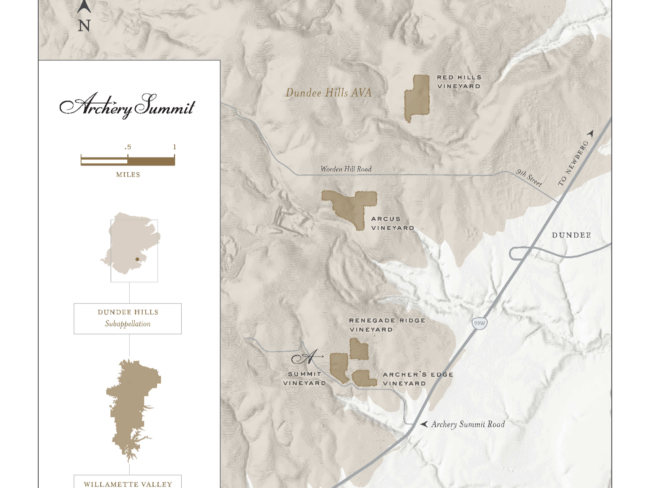
At Archery Summit, that pursuit begins in the vineyard. Five estate vineyards rooted in volcanic soils across the Dundee Hills and surrounding Willamette Valley appellations are farmed individually to reveal the unique character of each site. Every decision—from vineyard practices to the winery’s gravity-flow design and underground barrel caves—is guided by a commitment to precision, mastery, and site expression.
Understanding Different Pinot Noir Preferences
When comparing Oregon and California Pinot Noir, the best choice ultimately comes down to personal preference.
Both regions produce extraordinary wines. The question is not which is better, but which style best suits your palate.
How Regional Style Influences Preference
These are broad stylistic tendencies rather than strict rules. Exceptional producers in both states continue to challenge expectations and showcase the diversity of Pinot Noir.
Frequently Asked Questions
Is Oregon Pinot Noir lighter than California Pinot Noir?
Not necessarily. Oregon Pinot Noir often feels lighter because of its bright acidity and red fruit profile, but many examples offer significant concentration, structure, and aging potential.
Why is Oregon known for Pinot Noir?
Oregon’s cool climate, long growing season, and diverse soils provide ideal conditions for Pinot Noir. The Willamette Valley has emerged as one of the world’s leading regions for the variety.
Does Oregon Pinot Noir taste like Burgundy?
Some Oregon Pinot Noirs share characteristics commonly associated with Burgundy, including freshness, elegance, and site expression. However, Oregon wines possess a distinctive identity shaped by local climate and terroir.
What is special about Dundee Hills Pinot Noir?
Dundee Hills Pinot Noir is often associated with red volcanic Jory soils, vibrant red fruit, floral aromatics, refined texture, and exceptional balance.
Which state produces the best Pinot Noir?
Both Oregon and California produce world-class Pinot Noir. Rather than one region being objectively better, each offers a different expression of the grape.
Is Willamette Valley Pinot Noir considered cool climate?
Yes. The Willamette Valley is widely recognized as one of the world’s premier cool-climate wine regions for Pinot Noir.
What foods pair well with Oregon Pinot Noir?
Oregon Pinot Noir pairs beautifully with roasted poultry, salmon, duck, mushrooms, pork, and a wide range of seasonal dishes thanks to its balance and acidity.
Discover the Diversity of Pinot Noir
Few grape varieties communicate place as clearly as Pinot Noir.
Whether grown along California’s dramatic coastline or among the volcanic hillsides of Oregon’s Willamette Valley, the grape offers a compelling window into climate, soil, and craftsmanship.
For those interested in exploring the precision, balance, and site-driven character that have made Oregon Pinot Noir renowned worldwide, the Dundee Hills provide a remarkable place to begin.
At Archery Summit, every bottle reflects a belief that mastery is found in the details. Rooted in Oregon’s red volcanic soils and shaped by a disciplined commitment to site expression, our wines offer a distinctive perspective on what makes Willamette Valley Pinot Noir one of the world’s great wine styles.